Patience, Ethics, and Precision: A Professional's Approach to Photographing Arizona's Wild Inhabitants
Arizona is, by any ecological measure, a photographer's paradox. The state's desert and riparian environments support an astonishing range of wildlife — more than 800 vertebrate species call Arizona home — yet the very conditions that make this biodiversity possible also make photographing it genuinely demanding. Heat, vast open terrain, nocturnal activity patterns, and the understandable wariness of wild animals toward human presence all conspire to challenge even experienced wildlife photographers. Add to this the legal and ethical obligations surrounding protected species, and it becomes clear that exceptional wildlife photography in Arizona is as much a discipline of restraint and knowledge as it is of technical skill.
At Arizona Specialty Photography, our work with local wildlife subjects has reinforced a fundamental principle: the best wildlife images are earned through preparation, not pursued through pressure.
Understanding Arizona's Wildlife Communities
Before considering equipment or technique, a wildlife photographer working in Arizona must develop a working familiarity with the state's major species communities and their behavioral patterns.
The Sonoran Desert, which covers much of southern Arizona, is home to a remarkable cast of subjects. Javelinas — collared peccaries, to be precise — move in family groups through desert washes and suburban edges, particularly in the Tucson and Scottsdale areas. They are relatively approachable but can become agitated quickly, making calm, patient observation from a distance the appropriate strategy. Western diamondback rattlesnakes, Gila woodpeckers, cactus wrens, and roadrunners round out a roster of species that are visually compelling and behaviorally complex.
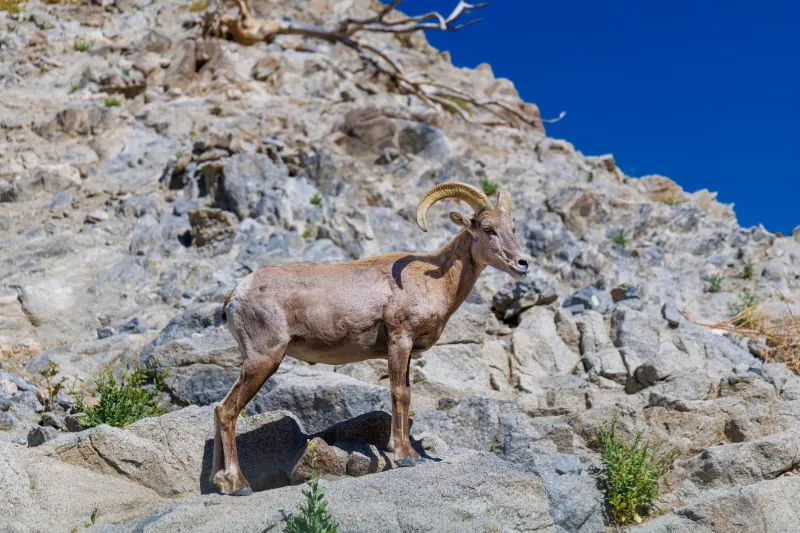
Higher elevations bring different opportunities. The Mogollon Rim and the White Mountains support elk herds, black bears, mountain lions, and pronghorn antelope. The Grand Canyon corridor is one of the few remaining habitats for California condors — a federally protected species with specific regulations governing human interaction — as well as desert bighorn sheep, which navigate the canyon's vertical terrain with a composure that makes them extraordinary photographic subjects.
Riparian corridors, particularly along the San Pedro River in southeastern Arizona, are internationally recognized birding destinations and support dense populations of neotropical migratory species during spring and fall. Southeastern Arizona as a whole — including the Madrean Sky Islands of the Chiricahua and Huachuca Mountains — draws wildlife photographers from across the country for its rare species including elegant trogons, coatimundis, and the occasional jaguar sighting.
Equipment Considerations for Desert Wildlife Work
The practical demands of Arizona's wildlife photography environment shape equipment selection in specific ways.
A telephoto lens of at least 400mm is considered the baseline for most mammal and bird work. The 500mm and 600mm prime lenses offered by major manufacturers produce exceptional image quality, but their weight and cost make them prohibitive for many photographers. Modern telephoto zoom lenses in the 100–500mm and 150–600mm ranges offer a practical compromise, delivering sufficient reach with manageable portability in terrain that often requires hiking.
Camera bodies capable of high-speed continuous shooting — 10 frames per second or faster — are valuable for capturing the decisive moments in animal behavior: a raptor's stoop, a javelina group's sudden alertness, a bighorn's leap between ledges. However, speed should not be prioritized at the expense of sensor performance in low-light conditions, as many of Arizona's most active wildlife periods occur in the dim hours of early morning and late evening.
Heat management deserves serious attention. Arizona summers regularly produce ambient temperatures that can affect camera electronics and battery performance. Insulated camera bags, spare batteries, and careful attention to equipment storage between shoots are practical necessities. Sand and dust, which are ever-present in desert environments, require frequent sensor cleaning and lens care.
A sturdy tripod or gimbal head is non-negotiable for telephoto work in the field. Attempting to handhold a 500mm lens while tracking a moving subject across rough terrain produces inconsistent results regardless of the photographer's skill level.
The Ethics of Proximity and Disturbance
The ethical dimension of wildlife photography is not a peripheral consideration — it is central to the practice. In Arizona, where wildlife corridors are increasingly fragmented by development and climate pressures are reshaping habitat availability, the cumulative impact of irresponsible wildlife photography is a documented concern among conservation biologists.
The guiding principle is straightforward: no photograph is worth causing an animal to alter its natural behavior. This means maintaining sufficient distance that subjects remain relaxed and unaware of the photographer's presence, which varies considerably by species. A cactus wren may tolerate a photographer at 15 feet; a nesting raptor pair may require 300 feet or more of buffer to remain behaviorally undisturbed.
Approach angles matter as much as distance. Moving toward an animal from a direct frontal angle is perceived as threatening by most species. Lateral or oblique approaches, conducted slowly and with frequent pauses, allow animals to assess the situation without triggering flight or defensive responses. Remaining low to the ground — crawling when necessary — reduces the photographer's perceived silhouette and threat profile.
Baiting or luring wildlife with food or calls is a practice that carries both ethical and legal implications in Arizona. Playback of recorded bird calls to attract target species, for example, is a subject of ongoing debate within the birding and photography communities, with evidence suggesting that excessive use during breeding season can disrupt territorial behavior and nesting success.
Legal Protections and Compliance in Arizona
Arizona's wildlife photographers must operate within a framework of state and federal regulations that protect numerous species from harassment, capture, or harm.
The Arizona Game and Fish Department administers state-level wildlife protections, and its regulations include specific provisions regarding the disturbance of nesting birds, the approach of big game animals during hunting seasons, and the handling of reptiles. Many snake species native to Arizona, including the western diamondback rattlesnake, are protected under state law; photographing them is entirely legal, but handling, collecting, or intentionally disturbing them is not.
Federally listed threatened and endangered species — including the California condor, the Mexican gray wolf, and several native fish species — are protected under the Endangered Species Act. Photographers working in habitats where these species are present should familiarize themselves with the specific restrictions that apply, which in some cases include minimum approach distances enforced by agency staff.
Permits are required for commercial photography in many of Arizona's national parks, monuments, and wilderness areas. The permit process varies by jurisdiction, and fees and conditions differ accordingly. Working without the appropriate permits in regulated areas not only creates legal exposure but undermines the credibility of professional wildlife photographers as a community.
How Responsible Photography Supports Conservation
There is a meaningful connection between ethical wildlife photography and the broader conservation mission, and it is one that Arizona's professional photography community has an opportunity to strengthen.
High-quality images of Arizona's wildlife serve a direct function in conservation advocacy — they create the emotional engagement that drives public support for habitat protection, species recovery programs, and funding for agencies like the Arizona Game and Fish Department and the U.S. Fish and Wildlife Service. Images of California condors soaring above the Grand Canyon's south rim, or of a desert bighorn ewe navigating a canyon wall with her lamb, communicate the irreplaceable value of these animals to audiences who may never encounter them directly.
Photographers who conduct their work responsibly and share their methods publicly also contribute to a culture of ethical practice within the broader photography community. Documenting not just the images but the process — the distances maintained, the time invested, the approaches taken — normalizes ethical standards and raises the bar for what responsible wildlife photography looks like in practice.
Arizona's wild inhabitants are not props. They are subjects with behavioral needs, ecological roles, and legal protections that predate any photographer's creative vision. The most compelling wildlife images produced in this state are invariably those made by photographers who understood this fully — and who allowed that understanding to shape every decision they made in the field.