Hooves, Heritage, and High Desert: The Demanding Art of Professional Equestrian Photography in Arizona
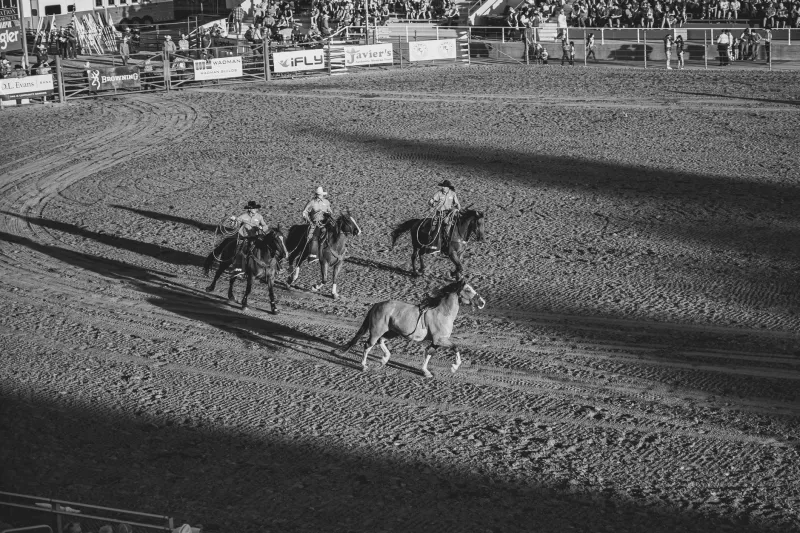
There is a particular kind of energy that exists between a horse and the open Arizona landscape — something primal, dignified, and deeply rooted in the history of the American Southwest. Whether observed on a working ranch in Sonoita, at a barrel racing competition in Scottsdale, or during a traditional vaquero demonstration in Tucson, that energy is fleeting. It exists for a fraction of a second, and then it is gone. The role of a professional equestrian photographer is to intercept that moment with precision and render it in a form that endures.
This is not a straightforward undertaking. Equestrian photography sits at the intersection of wildlife instinct, athletic performance, and cultural storytelling — a combination that demands technical sophistication, extensive preparation, and a genuine respect for the animals at the center of every frame.
Understanding the Subject Before Raising the Camera
Professional photographers who specialize in equestrian work consistently emphasize one foundational truth: you cannot photograph horses well without understanding them first. Horses are acutely perceptive animals. They register unfamiliar sounds, sudden movements, and changes in human behavior with remarkable sensitivity. A photographer who approaches a subject without awareness of these qualities will not only produce mediocre images — they may also create unsafe conditions for riders, handlers, and the animals themselves.
Experienced equestrian photographers invest time learning the behavioral patterns of their subjects before a shoot begins. This includes understanding how horses move at different gaits, how they respond to environmental stimuli such as wind or crowd noise, and how their body language signals readiness or agitation. On Arizona's working ranches, where horses are engaged in purposeful labor rather than performance, this knowledge becomes even more critical. A cutting horse working cattle in the Sulphur Springs Valley moves with a kind of instinctive athleticism that cannot be anticipated without prior observation. Capturing that movement requires the photographer to predict, not merely react.
The Technical Demands of Motion in Open Terrain
From a purely technical standpoint, equestrian photography is among the most demanding disciplines in the commercial photography world. A galloping horse can reach speeds exceeding 35 miles per hour, and the most compelling moments — the peak of a jump, the explosion from a starting gate, the precise pivot of a reining horse — last only milliseconds. Freezing that motion without sacrificing image quality requires a sophisticated approach to camera settings, lens selection, and timing.
Shutter speeds of 1/1000th of a second or faster are typically necessary to eliminate motion blur in a horse's legs, though the specific setting will vary depending on the gait, distance, and desired aesthetic. Some photographers intentionally introduce a degree of controlled blur to convey speed and dynamism — a technique that, when executed correctly, can produce imagery of extraordinary visual impact. Achieving that effect deliberately, rather than accidentally, is the mark of a specialist.
Lens choice plays an equally important role. Telephoto lenses in the 300mm to 600mm range allow photographers to maintain a respectful distance from the animal while still filling the frame with expressive detail — the flare of a nostril, the tension in a rider's hands, the spray of arena sand beneath churning hooves. In Arizona's expansive outdoor venues, where competition rings and ranch pastures stretch across wide desert terrain, this reach is often essential.
Desert Light as Both Challenge and Opportunity
Arizona's light is legendary among photographers, but it presents a particular set of challenges in the equestrian context. Midday sun, especially during summer months, creates harsh shadows across a horse's muscular form and can flatten the very contours that give equine imagery its power. Coat colors ranging from pale palomino to deep black absorb and reflect light in dramatically different ways, and a single lighting setup rarely serves all subjects equally.
Seasoned equestrian photographers in Arizona plan their sessions with the sun's position as a primary variable. Early morning shoots at venues like the WestWorld of Scottsdale or on private ranches near Wickenburg allow photographers to work with soft, directional light that accentuates the depth and texture of a horse's coat. The low angle of the rising sun also casts long shadows across the ground, adding visual drama to action sequences and lending a cinematic quality to even straightforward portrait compositions.
The monsoon season introduces another layer of complexity and possibility. Dramatic storm clouds building over the Superstition Mountains or the Santa Rita range can transform a routine equestrian session into something genuinely extraordinary — provided the photographer is prepared to work quickly and adapt to rapidly shifting conditions.
Serving Arizona's Equestrian Community Through Imagery
The commercial applications of professional equestrian photography in Arizona are both varied and significant. Breeding operations rely on high-quality imagery to market their stallions and mares to buyers across the country and internationally. Competition venues use compelling action photography to promote upcoming events and attract sponsors. Ranches offering equestrian experiences to guests require imagery that communicates authenticity and expertise to a discerning travel market.
Beyond these immediate commercial functions, equestrian photography serves a broader cultural purpose. Arizona's horse culture is a living tradition with roots that extend through Spanish colonial history, Indigenous heritage, and the ranching economy that shaped the modern state. Organizations dedicated to preserving Western horsemanship traditions, such as those promoting the vaquero style of riding or the working ranch horse competitions held throughout the state, depend on photography to document these practices and communicate their value to wider audiences.
When a photograph captures a seasoned rancher working cattle on horseback against a backdrop of saguaro-studded hillside, it does more than record an event. It affirms a way of life and ensures that the visual record of that tradition is preserved with the dignity it deserves.
What Clients Should Expect from a Specialist
Engaging a photographer who specializes in equestrian work — rather than a generalist who occasionally photographs animals — yields measurably different results. A specialist arrives on location having already considered the specific challenges the environment presents. They have relationships with event organizers that grant access to optimal shooting positions. They understand how to communicate with riders and handlers in language that builds trust and cooperation. And they possess the post-processing skills necessary to bring equine imagery to its full potential, balancing skin and coat tones with a level of precision that only experience provides.
For Arizona's equestrian community — a community that takes pride in the quality of its animals, the skill of its riders, and the depth of its traditions — nothing less than that level of specialization is appropriate.
The horses of Arizona deserve to be photographed by someone who understands what they are. And the people who care for them, ride them, and build their lives around them deserve imagery that reflects that understanding fully.