Copper Stills and Crafted Light: How Arizona's Artisan Distilleries Are Using Professional Photography to Claim Their Place in the Premium Spirits Market
Arizona's craft distillery industry has experienced remarkable growth over the past decade. From the high-desert town of Prescott to the urban corridors of Phoenix and Tucson, independent producers are crafting whiskeys, gins, mezcals, and vodkas that rival far more established names. Yet within an increasingly crowded marketplace, the quality of what resides inside a bottle represents only one dimension of competitive success. The visual identity surrounding that bottle—how it is photographed, presented, and perceived—has become equally consequential.
For distilleries operating without the marketing budgets of national conglomerates, professional photography is not a luxury expenditure. It is a foundational investment in brand architecture.
The Visual Vocabulary of Spirits
Spirits photography occupies a uniquely demanding corner of commercial photography. Unlike most product categories, the subject matter presents a compounding series of technical obstacles: transparent glass, reflective surfaces, liquid with shifting color gradients, and labels bearing intricate typographic detail. Each element requires deliberate management of light, angle, and environment.
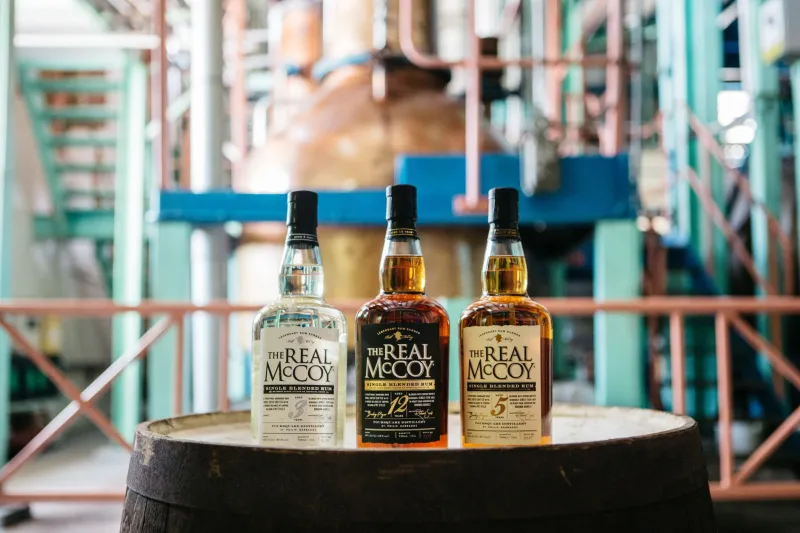
A bottle of barrel-aged bourbon, for instance, presents a photographer with the challenge of revealing the amber warmth of the liquid while simultaneously allowing the label design to read with clarity and the glass itself to exhibit depth rather than flat opacity. Achieving this balance requires controlled lighting setups, often involving multiple light sources positioned at precise angles to eliminate unwanted reflections while preserving the dimensional quality that makes premium spirits visually seductive.
For Arizona distilleries, the opportunity extends well beyond the bottle itself. The production environment—copper pot stills, charred oak barrels stacked in aging warehouses, grain and botanical ingredients arranged with intention—offers rich visual material that communicates authenticity, craft, and provenance to a consumer base that increasingly values the story behind what they consume.
Atmospheric Production Photography
Some of the most persuasive imagery emerging from Arizona's distillery sector does not feature a bottle at all. Instead, it documents the process: a distiller adjusting a valve on a gleaming copper still, shafts of afternoon light cutting through the steam rising from a mash tun, the grain-textured surface of a barrel warehouse where thousands of gallons of whiskey undergo their patient transformation.
This category of production photography demands a different skill set than studio product work. The photographer must navigate environments that are simultaneously industrial and intimate, often working in low or mixed light with minimal opportunity to modify the scene. Arizona's distinctive high-desert light, when it enters through warehouse skylights or distillery windows, creates atmospheric conditions that a skilled commercial photographer can leverage to extraordinary effect.
The strategic purpose of production imagery is to establish credibility. Consumers purchasing craft spirits at premium price points want assurance that the product reflects genuine artisanal practice. Photographs that document real processes, real equipment, and real people performing skilled labor communicate that assurance more effectively than any marketing copy.
Bottle Photography and the Art of Liquid
When the focus returns to the bottle and its contents, the technical demands intensify considerably. Liquid photography is a specialty within a specialty. The behavior of light passing through a glass vessel filled with colored liquid is complex and unpredictable; even minor adjustments to the light source position can produce dramatically different results.
Professional photographers working with Arizona distilleries typically employ a combination of backlit setups to illuminate the liquid from within, creating that luminous quality that makes a well-photographed spirit appear almost incandescent, alongside carefully positioned fill lights to manage shadows and surface reflections on the glass exterior. The goal is a final image that conveys richness, quality, and visual appetite—the same qualities that a consumer would associate with a premium tasting experience.
Label design, an area where many Arizona craft distilleries have invested significant resources, must also be served faithfully by the photography. Labels featuring embossing, foil stamping, or detailed illustration require lighting that renders these tactile and visual elements accurately without washing them out or obscuring them in glare.
Context and Lifestyle Imagery
Beyond isolated product and production photography, distilleries benefit substantially from contextual imagery that positions their spirits within aspirational lifestyle environments. A hand-poured glass of single-malt whiskey resting on a weathered oak table beside a worn leather-bound journal communicates a very specific consumer identity. A craft gin and tonic garnished with botanicals photographed against the backdrop of a Sonoran Desert sunset speaks directly to Arizona's regional character and pride.
This category of imagery serves the digital marketing ecosystem with particular effectiveness. Social media platforms, digital advertising, and e-commerce storefronts all favor photography that tells a story rather than simply documenting a product. For craft distilleries competing against national brands with vastly larger advertising footprints, lifestyle imagery that is genuinely rooted in Arizona's landscape and culture provides differentiation that money alone cannot purchase.
Securing Shelf Space Through Visual Authority
Retail placement represents one of the most consequential challenges facing emerging distilleries. Buyers for wine and spirits retailers, restaurant beverage directors, and hospitality procurement professionals make preliminary assessments based on visual presentation before a single tasting occurs. A distillery that presents its products through professional, high-resolution photography signals operational seriousness and brand maturity.
Distributors and retail partners routinely evaluate marketing materials as part of their selection process. Distilleries that arrive at those conversations with a cohesive visual identity—consistent photography across their website, sell sheets, social channels, and point-of-sale materials—communicate readiness for the market in a way that amateur or inconsistent imagery simply cannot replicate.
The Long-Term Value of a Visual Archive
Arizona distilleries that invest in professional photography early in their development accumulate a visual archive that compounds in value over time. Imagery documenting the early days of a distillery—the first barrel fill, the inaugural bottling run, the founding team at work—acquires historical and emotional significance as the brand matures. These photographs become the raw material of anniversary campaigns, media features, and brand retrospectives that deepen consumer connection.
This archival dimension of distillery photography aligns naturally with the long-term orientation that defines the craft spirits industry. Barrel-aged products, by their very nature, reward patience. The distillers who invest in building their visual identity with the same deliberate care they apply to their production process are the ones positioned to translate genuine craft into enduring market presence.
Arizona's craft distilleries have earned their reputation through meticulous attention to raw materials, process, and flavor. Professional photography ensures that the outside world sees that dedication with the same clarity the distillers themselves bring to every bottle they produce.