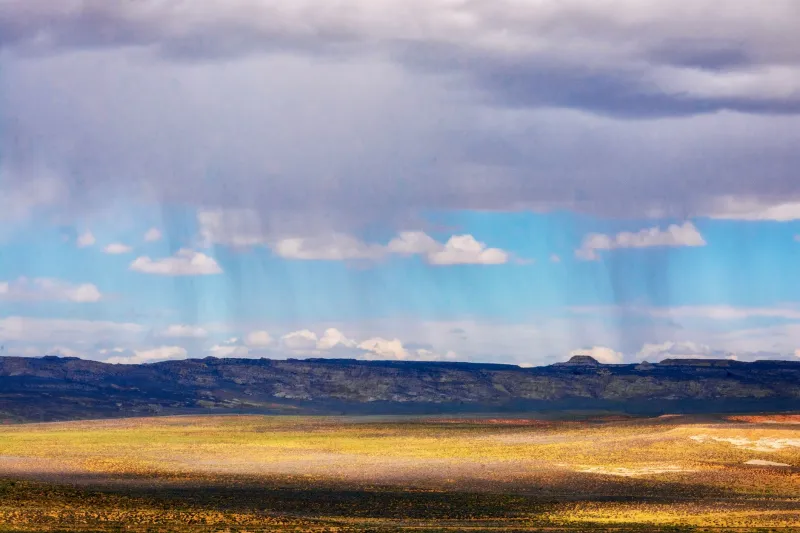
Rust, Rock, and Record: The Art of Photographing Arizona's Mining Landscapes for History and Posterity
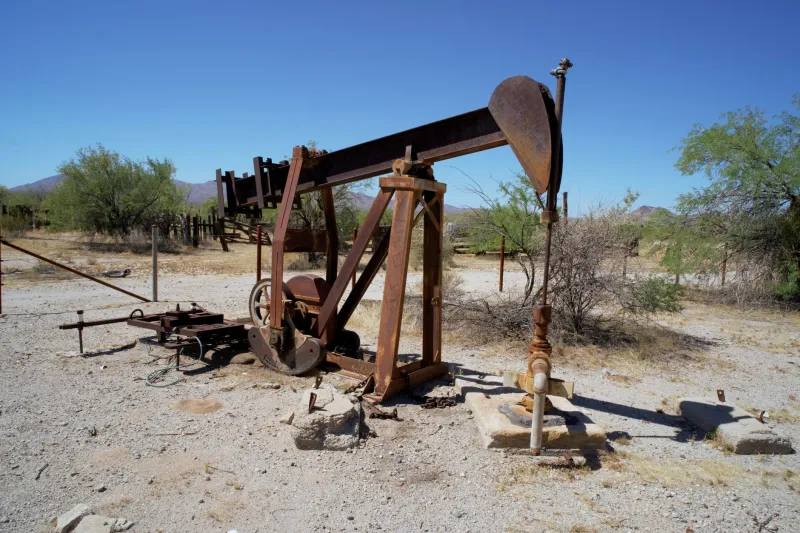
Arizona was built, in no small part, on extraction. Copper pulled from the earth at Bisbee, Jerome, and Globe helped wire a nation and fund entire generations of communities. Today, many of those operations stand silent—skeletal structures framed against turquoise skies, tailings piles sculpted by decades of wind, and underground chambers carved with a precision that no modern algorithm could replicate. What remains is not merely ruin. It is a layered archive of human ambition, geological wonder, and industrial ingenuity. And increasingly, specialized photographers are recognizing that these sites deserve the same careful, methodical attention that any significant cultural artifact commands.
At Arizona Specialty Photography, we have observed a growing convergence between professional documentary work and the emerging field of industrial archaeology. Clients ranging from historical preservation societies to university research departments to private collectors are commissioning detailed photographic surveys of mining sites across the state. The results are images that function simultaneously as historical documents, artistic statements, and irreplaceable records of places that may not survive another decade of exposure to the Sonoran climate.
Why Mining Sites Demand a Specialized Approach
Photographing an abandoned copper smelter or an active open-pit mine is not a task that rewards casual preparation. These environments present a constellation of technical and logistical challenges that distinguish them sharply from conventional commercial or landscape assignments.
First, consider the light. Mining structures are frequently situated in terrain that channels direct sunlight in unpredictable ways. Deep shaft openings create near-absolute darkness just feet from surfaces bathed in intense Arizona sun. Capturing both within a single frame—or even within a coherent series—requires a thorough understanding of high dynamic range techniques, bracketed exposure sequences, and careful post-processing workflows that preserve tonal accuracy without sacrificing the raw atmosphere these locations generate naturally.
Second, the physical environment itself demands respect. Abandoned mines carry genuine hazards: unstable ground, compromised structural integrity, residual chemical contamination, and poor ventilation in enclosed spaces. Professional photographers working in these settings must coordinate with site owners, geological consultants, and in some cases state or federal land management agencies before a single shutter is released. This is not merely a bureaucratic formality—it is a fundamental element of responsible practice.
Third, active mining operations introduce their own complexity. Dust, vibration, heavy equipment, and strict safety protocols all affect what can be photographed, from where, and under what conditions. Building relationships with mine operators and understanding the operational rhythms of a working site are prerequisites for producing images that are both accurate and compelling.
The Geology Beneath the History
One dimension of Arizona's mining photography that is frequently underappreciated is the geological narrative embedded in these sites. The Verde Formation, the porphyry copper deposits of the Laramide orogeny, the oxidized mineral zones that produce the vivid blues and greens of malachite and azurite—these are not merely backdrops. They are protagonists in the story that skilled photographers are tasked with telling.
Close-up and macro photography of mineral formations within mine walls can yield images of extraordinary visual complexity. Crystalline structures catch available light in ways that feel almost otherworldly. Oxidation patterns create color gradients that no digital palette could faithfully manufacture. When these geological details are documented with precision—proper focal length selection, controlled depth of field, accurate white balance calibration—they provide scientists and educators with reference material of genuine scholarly value, while simultaneously producing images of undeniable aesthetic power.
The challenge lies in balancing those two imperatives: scientific fidelity and artistic resonance. The most effective mining photography achieves both without compromising either.
Serving Preservation and Education
The clients commissioning this category of specialized photography are as varied as the sites themselves. Historical preservation nonprofits use comprehensive photographic surveys to build the evidentiary case for landmark designation or protective legislation. Before-and-after documentation of deteriorating structures helps organizations secure funding and demonstrate stewardship to donors and government agencies alike.
Academic institutions—particularly those with programs in mining engineering, geology, history, and anthropology—use high-resolution photographic archives to support curriculum development, research publications, and public exhibition projects. The Smithsonian's industrial archaeology initiatives, as well as state-level programs through the Arizona State Historic Preservation Office, have long recognized the value of methodical photographic documentation as a complement to written records.
Museums and heritage tourism operators represent another significant client segment. Jerome's transformation into an arts community built around its mining past, Bisbee's ongoing identity as both a living town and a historical destination, and the Queen Mine Tour's continued popularity all illustrate how mining heritage drives real economic activity in Arizona. High-quality photography supports interpretive exhibits, visitor guides, digital media campaigns, and the broader storytelling infrastructure that makes heritage tourism viable.
The Human Dimension
No account of Arizona's mining history is complete without acknowledging the people who shaped it. Immigrants from Mexico, Eastern Europe, China, and beyond arrived in these desert towns seeking wages and opportunity. Their labor carved the tunnels, operated the smelters, and built the communities that still exist in modified form today.
Documentary-style portrait photography, integrated thoughtfully into a broader mining site project, can reintroduce the human dimension that architectural and geological images alone cannot fully convey. Retired miners, descendants of original workers, and current employees of active operations all carry stories that photographs can help preserve. Capturing these individuals in the environments that defined their families' histories creates a layer of meaning that elevates a photographic project from documentation to genuine cultural record.
This approach requires sensitivity and trust-building that goes well beyond technical skill. Photographers working in this space must approach subjects with transparency about how images will be used, respect for personal boundaries, and a genuine commitment to honoring the dignity of the communities they are representing.
Building a Visual Legacy
Arizona's mining landscape is not static. Active reclamation efforts are steadily transforming tailings piles and processing facilities. Abandoned structures collapse incrementally under the weight of time and weather. Sites that exist today in photogenic, historically legible form may be unrecognizable within a generation.
This urgency lends specialized mining photography a particular gravity. The images produced today—executed with professional precision, informed by historical research, and guided by a genuine respect for the complexity of these places—will become primary sources for researchers and storytellers who have not yet been born.
At Arizona Specialty Photography, we understand that this category of work sits at an unusual intersection: part commercial service, part public good, part artistic practice. It demands the full technical repertoire of professional photography while requiring a depth of contextual knowledge that most assignments do not. For photographers willing to invest in that preparation, and for clients discerning enough to recognize its value, the resulting work carries a weight and permanence that few other photographic genres can match.
Arizona's mining heritage deserves more than nostalgia. It deserves documentation executed with the same care and rigor that the industry itself once applied to extracting value from the earth. That is precisely the standard we bring to every assignment.