From Plate to Profit: The Precise Science and Art of Professional Food Photography in Arizona's Culinary Landscape
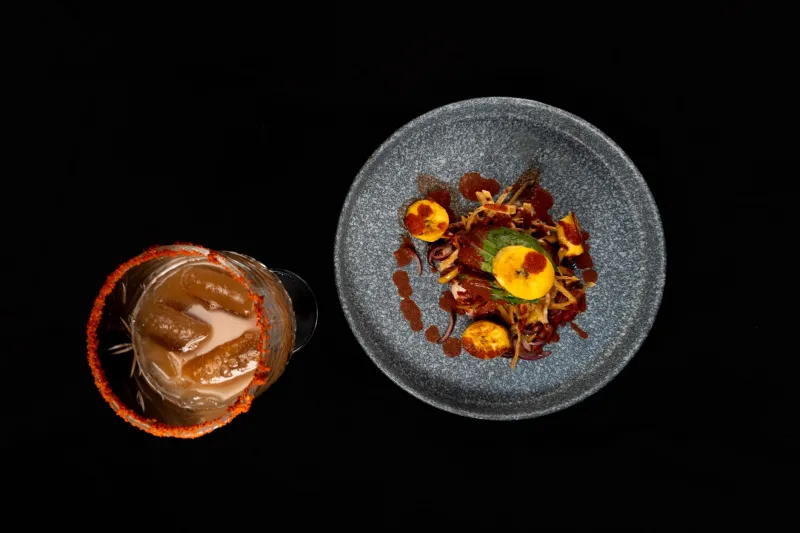
Arizona's culinary scene has evolved into one of the Southwest's most vibrant and distinctive dining cultures, blending farm-to-table freshness with bold Southwestern flavors. Yet too many restaurants still rely on hastily captured smartphone images to represent dishes that took hours to craft. Professional food photography bridges the gap between culinary artistry and the visual storytelling that compels diners to make reservations.
The Gap Between a Snapshot and a Story
Consider the difference between a photograph taken under a restaurant's ambient lighting with a personal device and one composed by a trained food photographer armed with specialized equipment. The former captures what is present. The latter captures what is possible — the glistening char on a Sonoran-spiced short rib, the delicate translucency of a roasted poblano pepper, the precise moment steam rises from a bowl of green chile posole. These are not accidents of timing. They are the result of deliberate technique.
Professional food photography is, at its core, a discipline that demands mastery across several distinct creative domains simultaneously: lighting, composition, color theory, prop styling, and an intimate understanding of how food behaves in front of a camera. A dish that looks spectacular on a plate can appear flat, washed out, or unappetizing under the wrong light source. Conversely, a modest preparation can be elevated into something genuinely compelling through the precise application of diffused natural light or carefully positioned reflectors.
For Arizona's restaurant owners and chefs, the stakes are considerable. The state's dining industry is competitive, and first impressions are increasingly formed online — on a restaurant's website, on Google listings, and across social media platforms — long before a guest ever sets foot through the door.
Light as the Primary Ingredient
In food photography, light is not simply a technical requirement. It is an ingredient as fundamental as salt or acid in a recipe. The direction, quality, and color temperature of light determine whether a dish appears fresh and inviting or dull and uninspired.
Arizona presents both extraordinary opportunities and genuine challenges in this regard. The state's abundant natural light, particularly during the golden hours of early morning and late afternoon, can produce stunning results when photographed near large windows or in outdoor settings. Scottsdale's open-air dining patios, Tucson's courtyards, and Sedona's terrace restaurants offer environments where natural light interacts beautifully with food's textures and colors.
However, Arizona's intense midday sun creates harsh, unflattering shadows that require significant diffusion. Professional photographers working in this environment use a range of tools — silk diffusion panels, bounce cards, and portable LED panels with adjustable color temperature — to sculpt light that feels natural while remaining fully controlled. This level of technical preparation is simply not available to a staff member photographing the daily special between lunch and dinner service.
Chefs at farm-to-table establishments in the Phoenix metropolitan area and throughout Tucson's growing independent restaurant corridor have noted that the textures unique to Southwestern ingredients — the rough skin of a roasted Hatch chile, the vibrant purple of a heritage bean, the matte warmth of hand-ground mole — respond particularly well to side lighting that emphasizes dimension and depth. These are compositional decisions that require experience and intention.
Prop Styling and the Visual Language of Arizona Cuisine
Beyond lighting, professional food photography involves the careful curation of the environment surrounding a dish. Prop styling — the selection and arrangement of surfaces, linens, utensils, garnishes, and secondary elements within the frame — communicates an enormous amount of information about a restaurant's identity before a single word of copy is read.
For an upscale Scottsdale establishment serving contemporary American cuisine with Southwestern influences, the visual language might include hand-thrown ceramic vessels, raw linen napkins in earth tones, and weathered wood surfaces that echo the high desert aesthetic. For a family-owned Sonoran restaurant in South Tucson, the prop palette might shift toward bright Talavera tile, traditional comals, and the warm terracotta tones that reflect the region's deep cultural heritage.
These choices are not arbitrary. They are strategic decisions that reinforce brand identity and attract a restaurant's target clientele. A professional photographer brings not only technical skill but also a trained eye for visual consistency — ensuring that an entire menu shoot feels cohesive rather than assembled from unrelated individual images.
Restaurant owners who have invested in professional food photography frequently report a measurable shift in customer perception. Menus that feature high-quality imagery generate stronger engagement on digital platforms, higher click-through rates on delivery applications, and increased confidence from first-time visitors who feel they understand what they are ordering before they arrive.
Composition Strategies That Transform Dishes into Visual Narratives
The composition of a food photograph — the angle of the shot, the placement of the subject within the frame, the relationship between foreground and background elements — determines whether an image feels static or alive.
Overhead or flat-lay compositions work exceptionally well for dishes that have strong graphic patterns or colorful arrangements, such as a composed grain bowl or a charcuterie spread featuring locally sourced Arizona cheeses and cured meats. A forty-five-degree angle, sometimes referred to as the "menu shot," is often the most versatile approach for plated entrées, as it captures both the height of a dish and its surface detail simultaneously. Close-up macro compositions can be devastatingly effective for highlighting specific textures — the flaky lamination of a green chile empanada, the caramelized crust of a pan-seared duck breast.
Arizona's chefs have increasingly embraced the idea that food photography is an extension of their culinary voice. Just as a dish is plated with intention, a photograph should be composed with equivalent care. The two disciplines, when aligned, produce imagery that communicates the values of a kitchen — its commitment to local sourcing, its respect for regional traditions, and its ambition to offer something genuinely memorable.
The Return on Investment Arizona Restaurants Cannot Afford to Ignore
The practical business case for professional food photography in Arizona is straightforward. In a market where diners routinely consult visual content before making dining decisions, the quality of a restaurant's imagery directly influences revenue. Delivery platforms, travel publications, and food media outlets consistently favor high-resolution, professionally produced images when featuring local establishments.
For Arizona's growing farm-to-table movement — which encompasses ranches and producers across the Verde Valley, the White Mountains, and the agricultural communities surrounding Yuma — professional photography also serves as documentation of provenance. Images that show the journey from field to fork, from the hands of a local grower to the finished plate, tell a story that resonates deeply with the values-driven consumer segment that supports these businesses.
Investing in professional food photography is not an expense reserved for large restaurant groups with substantial marketing budgets. It is a strategic decision available to any establishment willing to recognize that the visual representation of their food is as important as the food itself. In Arizona's competitive and rapidly maturing culinary landscape, that recognition can make a meaningful difference.