Serenity in Focus: How Arizona's Wellness Industry Is Redefining the Art of Spa Photography
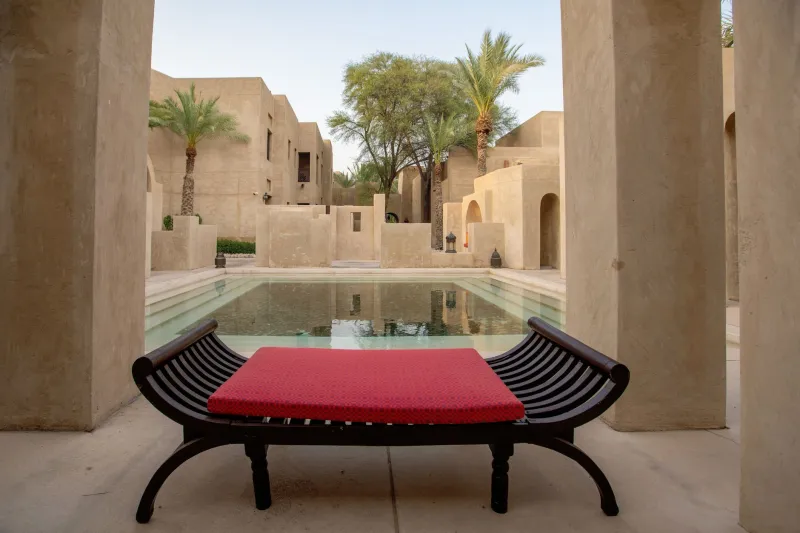
There is a particular quality of stillness that defines Arizona's finest wellness environments. It exists in the way late afternoon light filters through sheer linen curtains above a massage table in Sedona, in the geometry of a desert-stone soaking pool at dawn, in the carefully arranged botanicals on a treatment room credenza that have been placed with the same intentionality as a museum installation. Communicating that stillness through photography is an art form that the state's rapidly expanding wellness industry has come to regard as a genuine business necessity.
Arizona's wellness economy is substantial and growing. Scottsdale alone is home to more than a dozen luxury destination spas that compete for national and international clientele. The Sedona area has evolved into one of the most recognized wellness tourism destinations in the United States, drawing visitors seeking everything from traditional Swedish massage to energy healing and plant-based wellness programming. In communities like Cave Creek, Fountain Hills, and the burgeoning wellness corridors of the East Valley, smaller holistic health centers and day spas are investing seriously in their visual brand identity in order to compete for a share of an increasingly discerning consumer market.
What Makes Wellness Photography Distinctly Challenging
Unlike product photography, where the subject is static and fully controllable, or event photography, where the energy of a moment carries much of the narrative weight, wellness photography occupies an unusual middle ground. The photographer must simultaneously suggest activity and repose, presence and privacy, luxury and accessibility.
The environments themselves present specific technical challenges. Many Arizona spa interiors are deliberately designed with low, warm ambient lighting—candlelight, salt lamps, and incandescent fixtures that create the psychological conditions for relaxation but that register on a camera sensor as deeply underexposed, color-shifted, or both. Supplementing this ambient light with flash or continuous artificial lighting can instantly destroy the atmosphere that the entire space has been designed to cultivate.
Photographers who specialize in this genre have developed a set of practices specifically suited to these conditions. High-ISO performance on modern mirrorless camera systems has improved dramatically, allowing skilled practitioners to capture usable imagery at sensitivity settings that would have produced unacceptable noise levels just five years ago. Prime lenses with maximum apertures of f/1.4 or f/1.8 gather substantially more light than the zoom lenses that generalist photographers often carry, enabling exposures that preserve the integrity of the ambient environment without artificial augmentation.
When supplemental lighting is necessary—and there are circumstances where it genuinely is—experienced wellness photographers deploy it with exceptional restraint. A single LED panel positioned well outside the frame, bounced from a white ceiling or reflected from a large V-flat, can lift shadow detail in a treatment room without introducing the flat, clinical quality that would undermine the entire purpose of the image.
The Outdoor Dimension: Arizona's Desert as a Wellness Backdrop
One of the most compelling aspects of photographing wellness in Arizona is the extraordinary outdoor environment that many properties have incorporated into their programming. Outdoor yoga platforms overlooking the Sonoran Desert, meditation gardens framed by saguaro cacti, hydrotherapy circuits set against the red rock formations of the Verde Valley—these spaces represent a distinctly Arizonan form of wellness experience that no other region in the country can replicate.
Capturing these outdoor environments requires the same sensitivity to light quality that governs interior spa photography, but with an entirely different set of variables. The golden hour—roughly the first hour after sunrise and the final hour before sunset—produces the warm, directional light that most wellness photographers consider ideal for outdoor desert settings. At these times, the long shadows cast by saguaro and palo verde create natural compositional elements that reinforce the sense of a landscape that is ancient, unhurried, and inherently restorative.
Midday desert light, by contrast, is typically too harsh for wellness imagery. The high-contrast shadows and blown highlights that characterize Arizona's noon sun in summer communicate the opposite of serenity. When afternoon shoots are unavoidable, experienced photographers seek out the shade of ramadas, the shadow of canyon walls, or the diffused light of a covered outdoor lounge—any environment that softens the direct sun without sacrificing the sense of outdoor immersion that makes Arizona wellness experiences distinctive.
Human Presence and the Ethics of Wellness Photography
A recurring question in wellness photography concerns the appropriate role of human subjects. Imagery that includes people—whether models or actual clients—carries an inherent warmth and narrative immediacy that purely environmental photography cannot always achieve. A photograph of an empty treatment room, however beautifully lit, communicates less viscerally than one in which a person is shown in a genuine moment of repose.
However, the wellness environment demands particular sensitivity around human subjects. Privacy is a core value for spa clients, and any photography involving real guests requires explicit, documented consent. Many Arizona wellness properties work exclusively with professional models for their primary marketing imagery, reserving candid client photography for social media content captured under carefully controlled conditions with full participant awareness.
The selection of models for wellness imagery carries its own set of considerations. The most effective wellness photography reflects the genuine diversity of the clientele that Arizona's spas serve—an increasingly broad demographic that spans age groups, body types, and cultural backgrounds. Wellness imagery that presents an unrealistically narrow vision of who belongs in these spaces can undermine the inclusive positioning that many Arizona properties are actively cultivating.
Visual Strategy in a Competitive National Market
Arizona's wellness businesses are not competing only with each other. They are competing with destination spas in Napa Valley, the Florida Keys, the Colorado mountains, and internationally recognized wellness destinations from Tuscany to Bali. In this context, the quality and distinctiveness of a property's visual identity is not a luxury—it is a fundamental component of the marketing strategy.
Several Scottsdale-area spa properties have undertaken comprehensive visual rebranding projects in recent years, replacing dated photography libraries with carefully curated image collections produced by photographers who understand both the technical demands of the environment and the brand narrative the property is working to establish. The results have been measurable: updated imagery has supported improved performance on booking platforms, stronger engagement on social media channels, and more effective placement in national travel and lifestyle publications.
For smaller wellness businesses—the neighborhood float therapy studio in Tempe, the holistic wellness center in Gilbert—the investment in professional photography represents a proportionally significant commitment. But the return on that investment, expressed in the ability to communicate value and differentiation in a crowded digital marketplace, is one that wellness business owners across Arizona are increasingly choosing to make.
Arizona's wellness industry has built its reputation on the promise of transformation—the idea that a few hours or a few days spent in the right environment can shift something fundamental in a person's relationship to stress, to their body, and to the pace of their daily life. Professional wellness photography exists to make that promise visible before a single appointment is booked. In an industry built on the intangible, that visibility is everything.