Timing Is Everything: How Arizona's Savviest Real Estate Agents Are Winning Listings Through Strategic Light Photography
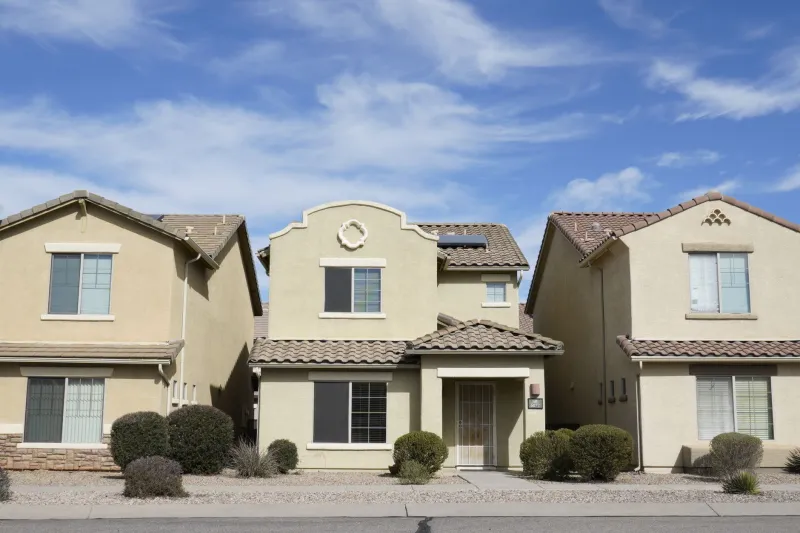
In a state defined by relentless sunshine and extreme seasonal shifts, Arizona's real estate professionals have long understood that light is both an asset and a liability. The same desert sun that draws millions of residents to the Sonoran Basin can wash out a beautifully staged patio, flatten the warm tones of a Saltillo tile floor, or turn a sparkling pool into a blinding reflective surface. What separates a listing photograph from a listing strategy is knowing precisely when to point a lens—and when to wait.
Professional real estate photographers operating across the Phoenix metropolitan area, Scottsdale, Tucson, and Sedona increasingly describe their scheduling decisions with the same deliberateness a cinematographer brings to a film shoot. Light direction, seasonal sun angles, ambient temperature haze, and even the behavior of neighboring properties all factor into when a camera shutter should fire.
The Golden Hour Advantage—and Why It Matters More in the Desert
Photographers have long celebrated the golden hour—that narrow window shortly after sunrise and just before sunset—for its warm, diffused quality. In Arizona, however, this window carries amplified significance. The state's low humidity and wide-open skies mean that golden-hour light behaves differently here than it does in coastal or forested markets. Shadows are longer, color temperatures are more saturated, and the interplay between warm stone exteriors and soft directional light can be genuinely dramatic.
For east-facing properties, morning golden hour is often the decisive session. The sun rises behind the home's primary facade, casting gentle fill light across the front elevation while avoiding the harsh midday contrast that obliterates architectural detail. A Scottsdale estate with a hand-laid travertine entry, for example, will photograph in an entirely different register at 6:45 a.m. in October versus 10:00 a.m. in July. The former reveals texture and dimension; the latter delivers flat, overexposed stone that communicates neither quality nor craftsmanship.
West-facing properties, by contrast, reward patience until the late afternoon. Arizona's sunsets are legendary, and a rear outdoor living space—pool, covered ramada, built-in kitchen—bathed in that amber pre-sunset glow communicates a lifestyle proposition that no amount of interior staging can replicate. Agents working the luxury corridor between Paradise Valley and North Scottsdale have been particularly vocal about the commercial return on this timing discipline.
Seasonal Calibration: Summer Heat and Winter Clarity
Arizona's seasons introduce variables that photographers elsewhere rarely encounter. Summer monsoon season, which typically runs from late June through September, creates a paradox: the afternoon cloud formations are visually spectacular, but the timing of storms is unpredictable and the midday heat produces atmospheric haze that softens distant mountain views—a significant selling point for properties in communities like Ahwatukee, Fountain Hills, or the Tucson foothills.
Experienced photographers working these markets adjust their seasonal calendars accordingly. Winter months, when the air is dry, crisp, and the sun tracks lower across the southern sky, produce exceptionally clear long-distance views. A home in Cave Creek that markets itself on its Bradshaw Mountain panorama deserves to be photographed in January or February when that view is at its most legible. Scheduling the same shoot in August, even at golden hour, risks presenting a hazy, indistinct horizon where a razor-sharp ridgeline should command attention.
This kind of seasonal intelligence is not accidental. It reflects a practiced understanding of how Arizona's geography and climate interact with photography—a skill set that distinguishes specialized real estate photographers from generalist shooters who simply arrive when the client calls.
The Agent Perspective: Light as a Listing Tool
Top-producing agents who have made strategic photography scheduling a standard component of their listing process describe the impact in straightforward terms. Properties presented with deliberately timed photography tend to generate more online engagement, more showing requests, and more competitive offer environments. In a digital-first market where the majority of buyers begin their search on platforms like Zillow, Realtor.com, and Redfin, the thumbnail image is the first handshake. A listing photograph that communicates warmth, dimension, and aspirational living stops the scroll. A flat, midday-lit exterior does not.
The economic argument is compelling. In Arizona's mid-to-upper price tiers—homes listed between $700,000 and $3 million—professional photography is already standard practice. What separates the most effective listings in this range is not the presence of a professional photographer but the sophistication of the timing and lighting strategy that photographer brings. An agent who can tell a seller, with confidence, that their home will be photographed at 6:30 a.m. on a clear December morning because the east-facing elevation and Superstition Mountain backdrop demand that specific combination of conditions is communicating expertise that builds trust and justifies premium commission rates.
Interior Light: The Overlooked Dimension
While exterior timing dominates most conversations about real estate photography strategy, interior light management is equally consequential—and more technically demanding. Arizona homes frequently feature large south- and west-facing windows designed to frame outdoor views, but these same windows create severe exposure challenges during afternoon shoots. A great room with floor-to-ceiling glass overlooking a golf course can be simultaneously underexposed in its interior and blown out at the window if the photographer arrives at the wrong hour or relies on a single exposure.
Specialized real estate photographers address this through a combination of timing—shooting interiors when exterior light is soft enough to balance with interior ambient—and advanced exposure blending techniques that preserve both window detail and interior warmth. The result is an image that communicates how a room actually feels to inhabit, rather than how it photographs under compromised conditions.
Positioning Photography as a Market Strategy
For Arizona real estate professionals willing to treat photography as a deliberate market strategy rather than a line-item expense, the returns are demonstrable. Homes that present beautifully online attract more attention, which generates more showings, which produces more competitive offer environments. In a market as dynamic and inventory-sensitive as Arizona's—where buyer demand can shift dramatically with interest rate movements and seasonal migration patterns—every tool that accelerates the sales cycle and supports list price integrity has measurable value.
The photographers who deliver this value are not simply skilled with a camera. They understand architecture, seasonality, buyer psychology, and the specific visual language of Arizona's most desirable communities. They arrive with a plan, adjust for conditions, and produce imagery that serves a commercial objective rather than simply documenting a property's existence.
In the end, the hidden language of light is not so hidden to those who have learned to read it. For Arizona's most effective real estate agents and the specialized photographers they trust, timing a shoot is not a scheduling convenience. It is a professional discipline—and in the right hands, a decisive competitive advantage.